Our Work
Our Past Jobs
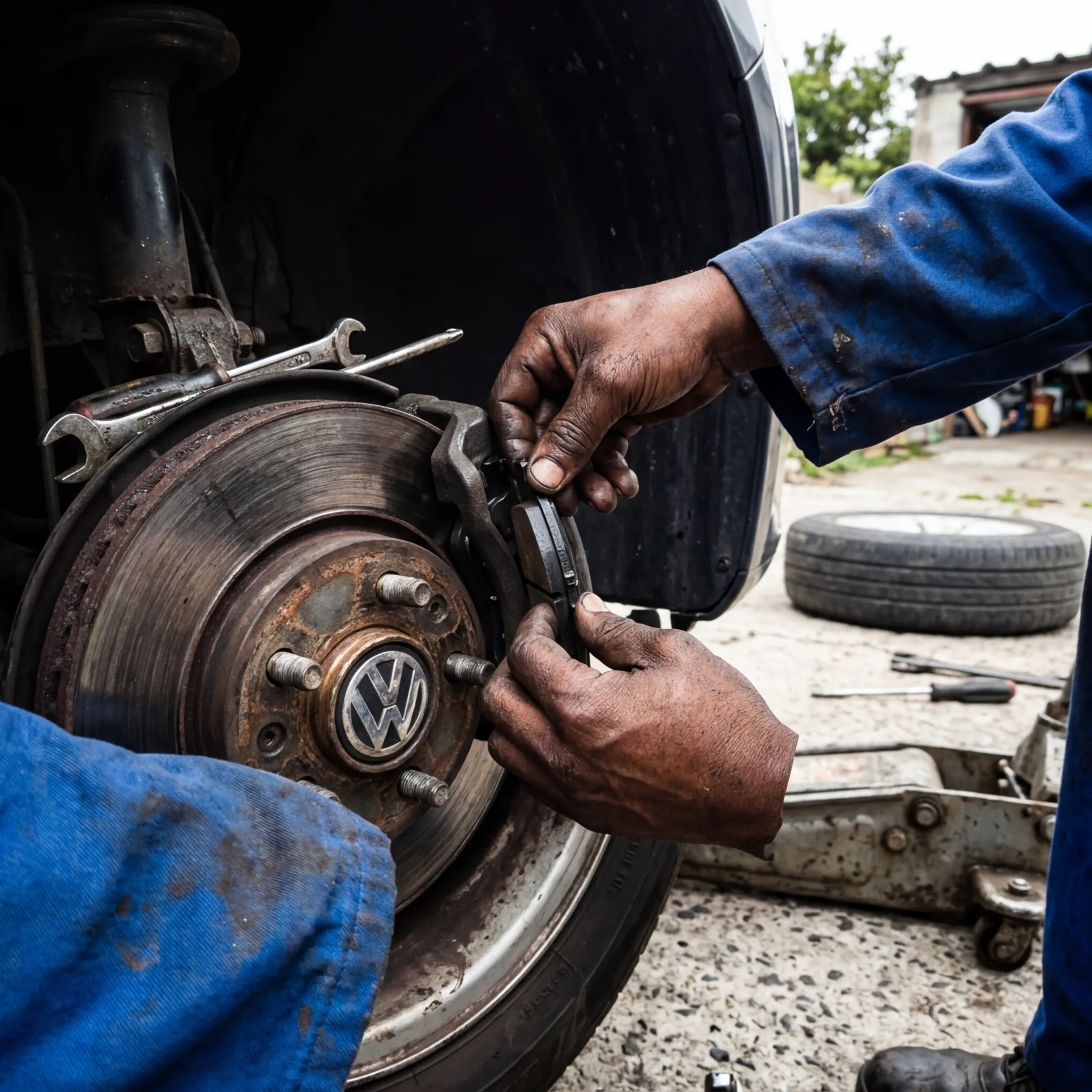 Brake Pad Replacement
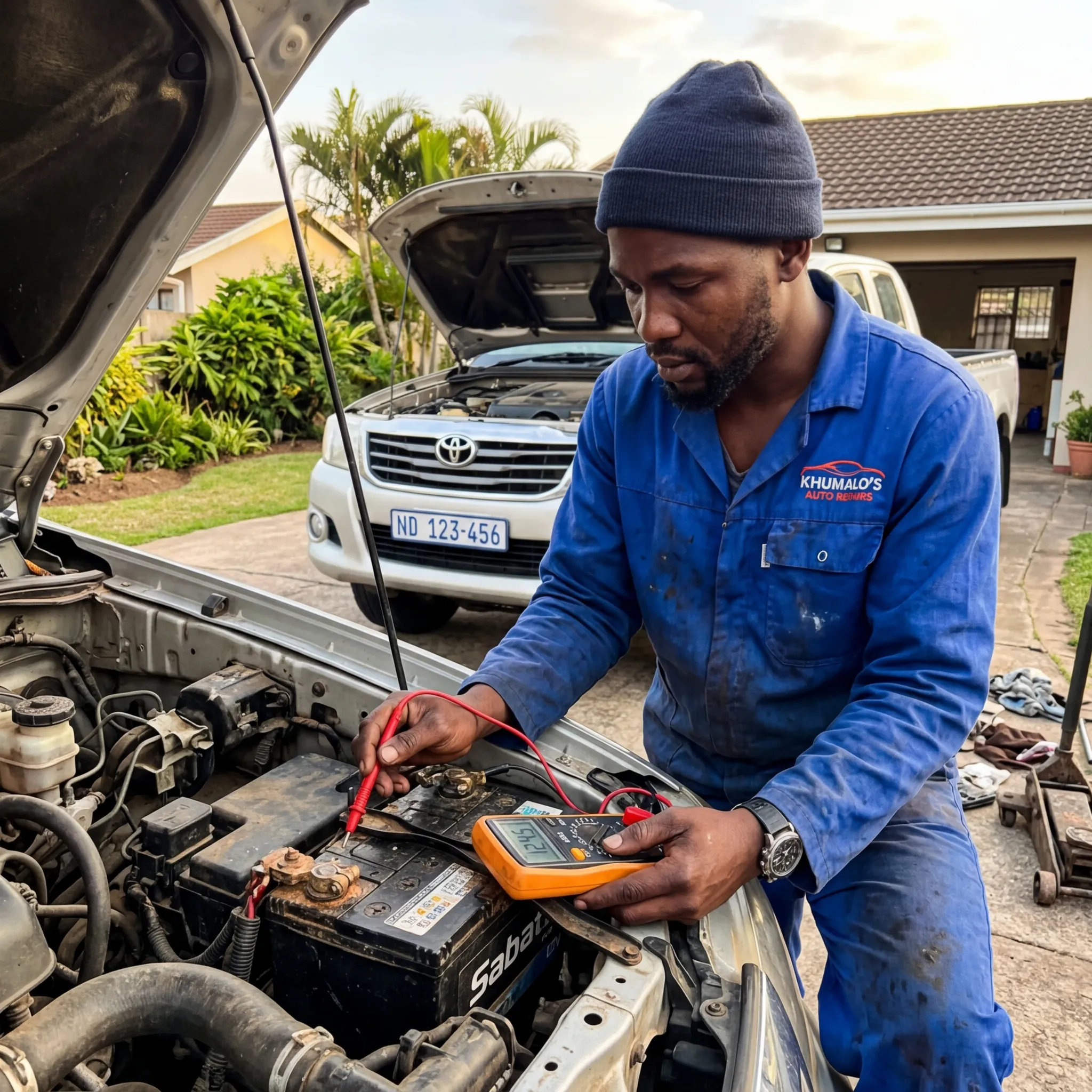 Battery Testing
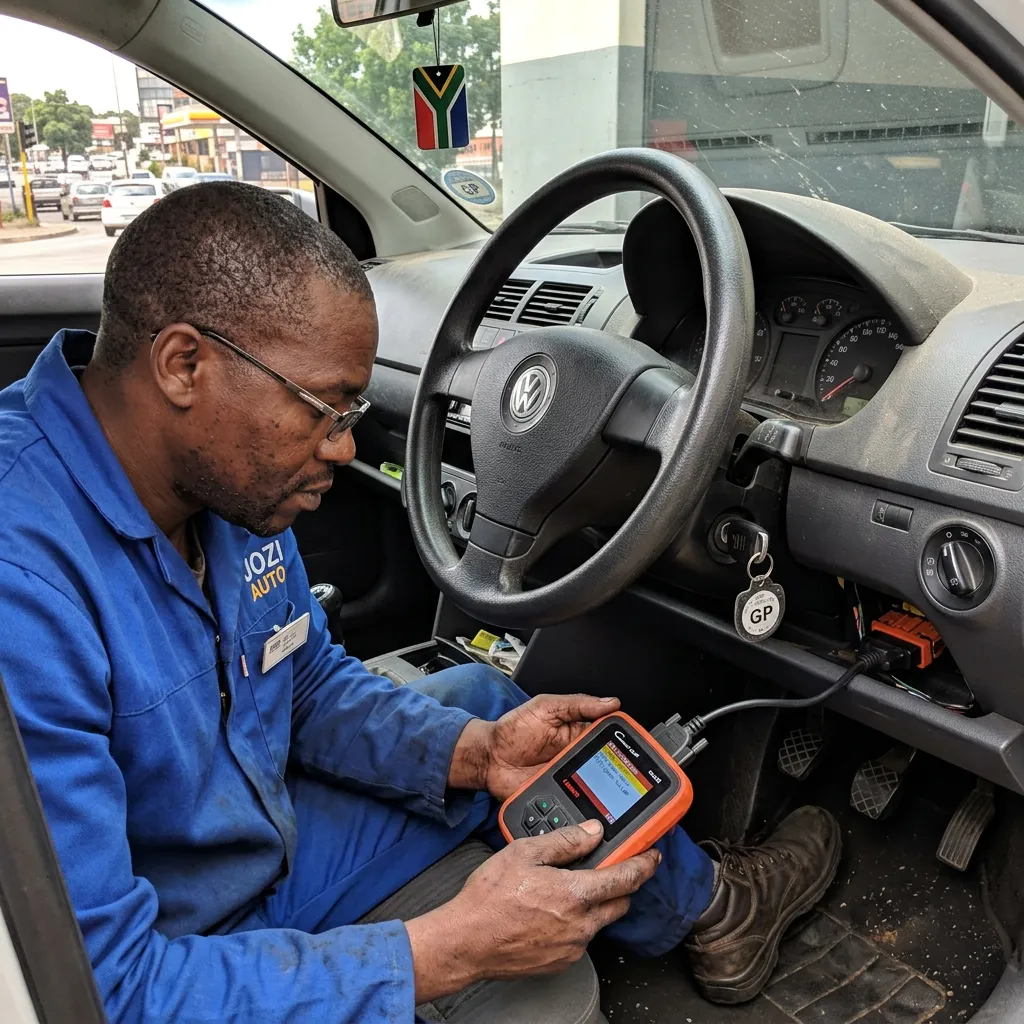 Engine Diagnostics
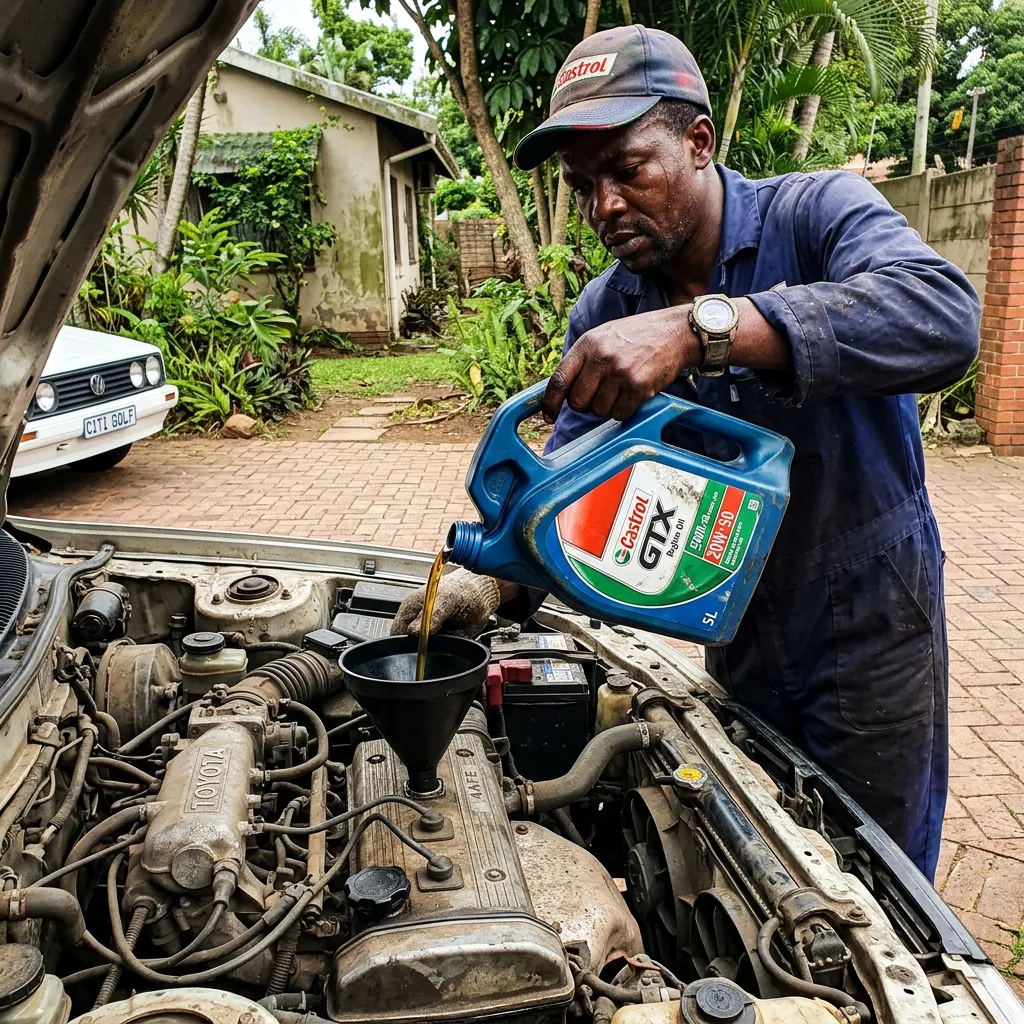 Oil Change Service
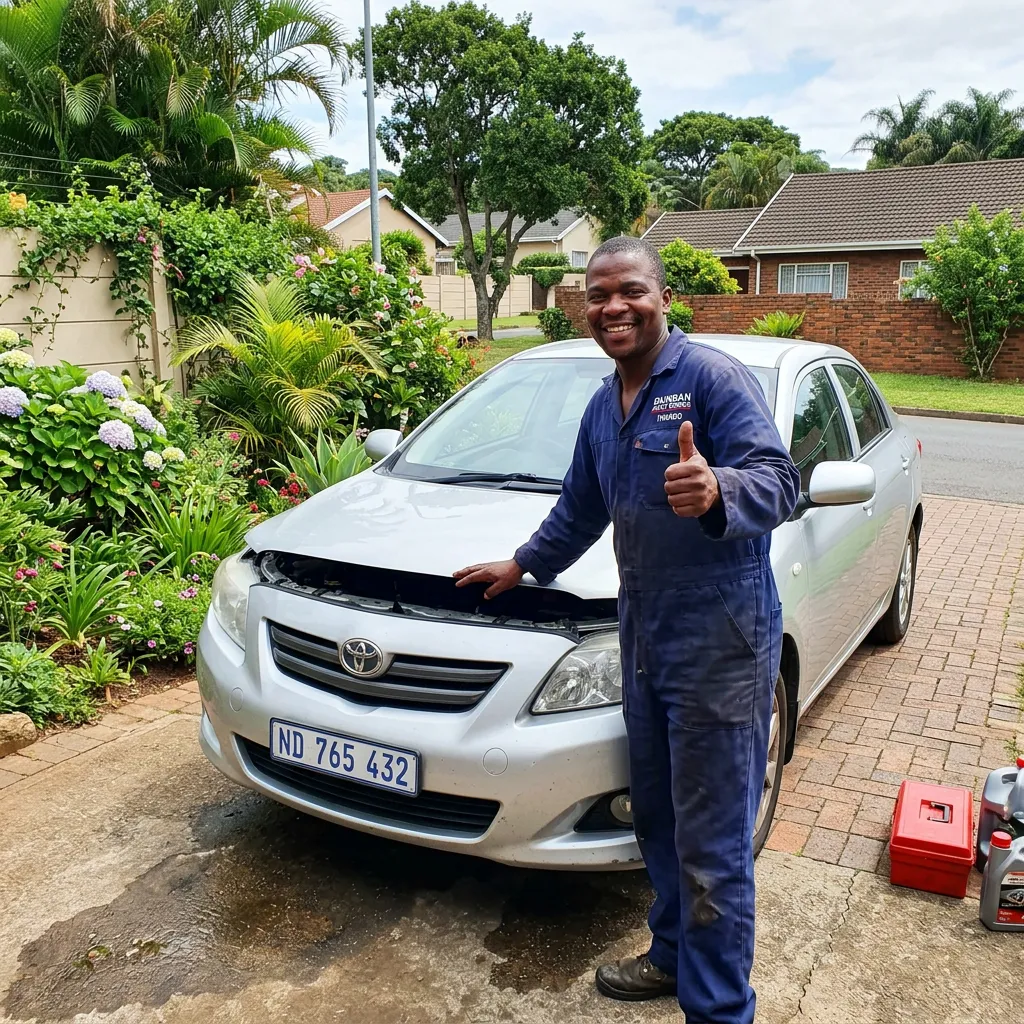 Service Complete
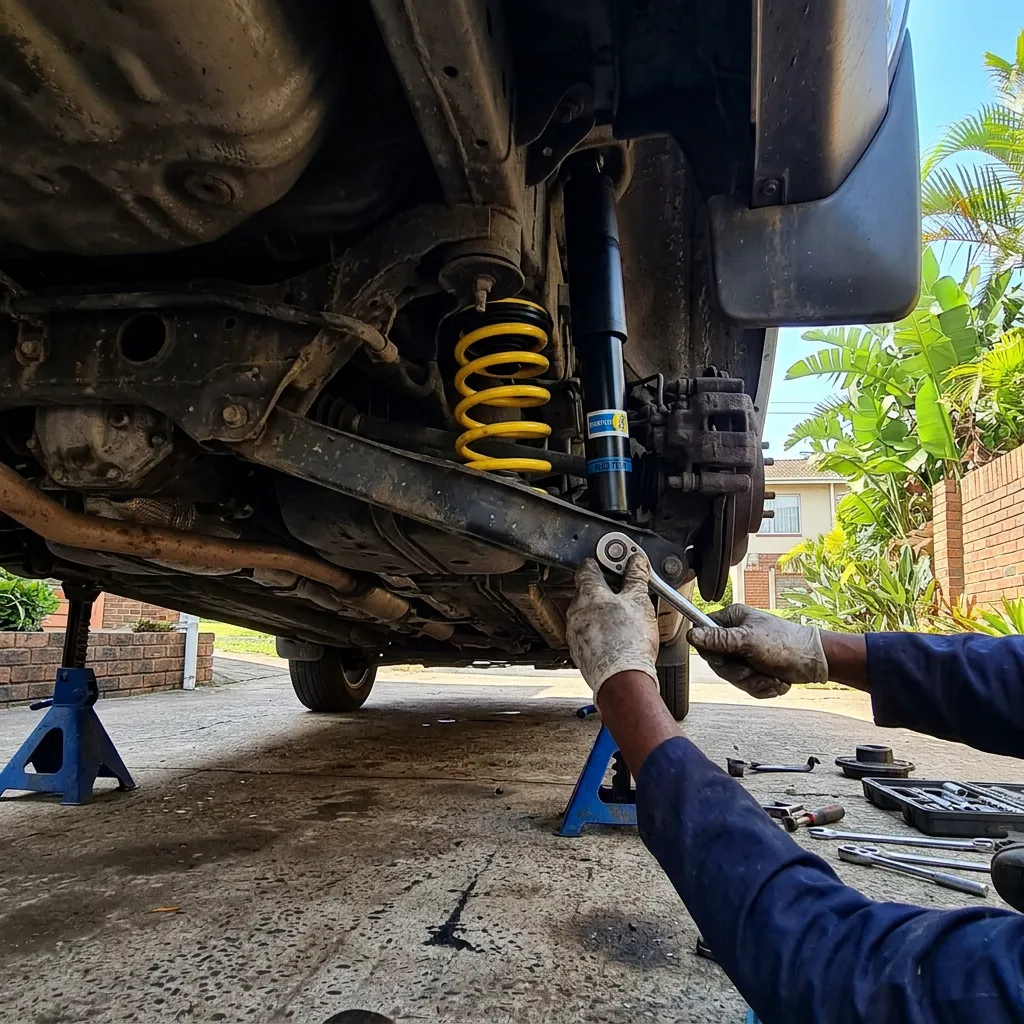 Suspension RepairBrake Pad ReplacementBattery TestingEngine DiagnosticsOil Change ServiceService CompleteSuspension Repair
Cambelt kits replaced on schedule — before they snap. We come to your home, office, or roadside across the greater Durban area.
Get A Free QuoteYour timing belt (cambelt) keeps the crankshaft and camshaft turning in perfect sync, so the valves open and close at exactly the right moment. It is a rubber consumable that must be replaced on schedule, and on most modern "interference" engines, a belt that snaps lets the pistons hit open valves, bending them and turning a routine service into a costly engine rebuild. Mobile Mechanic Durban replaces timing belts on-site across Durban, on time, before that ever happens.
We always fit a full cambelt kit (the belt together with the tensioner and idler pulleys) rather than the belt alone, because a seized pulley will snap a brand-new belt. On engines where the belt also drives the water pump, we strongly recommend replacing the pump at the same time: the labour to reach it is already done, so doing it now saves you paying that whole bill again later. We set the timing marks precisely and double-check them before the car goes back together.
Manufacturers specify anywhere from 60,000 to 150,000 km, or every four to six years, whichever comes first. The time limit matters as much as the distance, because rubber perishes with age even on a low-mileage car. Not sure whether your car even has a belt? Many newer engines use a chain instead, which is a different job entirely. See our timing chain replacement page, or just ask us and we will confirm in a couple of minutes.
Older VW and Audi petrols and all the TDI diesels are belt-driven, as are many older Toyota Corollas, the Etios and the Hilux 3.0 D4D. We can confirm the correct interval for your exact engine. Durban's heat and humidity genuinely accelerate rubber ageing, so coastal cars that "haven't done the mileage yet" should still watch the four-to-six-year limit. Our guide to maintaining your car in Durban's humid climate explains why.
The hard truth is that a timing belt usually gives no warning before it fails, which is exactly why you replace it by interval, not by symptom. Occasionally you may hear a light ticking from the timing cover or spot an oil leak nearby, and if your car is already running roughly we can run a quick diagnostic check to see whether the belt has slipped a tooth. Either way, replacing on time is far cheaper than gambling on it.
Belt only: R600–R1,800 | Full cambelt kit (belt + tensioner + idlers): R1,800–R3,200 | Kit fitted: typically R3,000–R6,500 depending on vehicle | Water pump (if belt-driven): R1,000–R2,000 extra. We use quality kits (Gates, Dayco, INA, Contitech) and quote per vehicle.
All prices are estimates. We provide a firm quote after inspecting your vehicle. No hidden fees — you approve the price before we start.
No. Belts age on time as well as distance, and Durban’s heat and humidity perish the rubber even when the car just sits. The four-to-six-year limit applies regardless of kilometres — a seven-year-old car with low mileage still needs it done.
On engines where the belt drives the water pump, almost always yes. The labour to reach the pump is identical to the belt job, so doing them together adds only the part cost and saves you paying the full labour bill again when the pump later fails.
On most modern engines (interference designs) the pistons strike the open valves and bend them — a repair that can run R20,000 or more. On a non-interference engine the car simply stalls. Either way, replacing on schedule is far cheaper than the gamble.
We provide timing belt replacement services across these Durban suburbs and surrounding areas.
Brake Pad ReplacementBattery TestingEngine DiagnosticsOil Change ServiceService CompleteSuspension RepairBrake Pad ReplacementBattery TestingEngine DiagnosticsOil Change ServiceService CompleteSuspension Repair